
KDE is turning 30 this year!
Three decades of passionate community effort against all odds; delivering control, privacy, and freedom to our users; and tons and tons of software.
CHECK BACK OFTEN!
We will be updating this page frequently with new content, exciting 30th Anniversary news, things you can participate in, updated merch you can get, and much more!
Read on and discover interesting facts you never knew, new merch you didn’t know you needed (but you do now!), how you too can help ensure we thrive the next 30 years, and where and how you can celebrate KDE’s birthday.
Let’s start with that…
Plan your party🎉
Join an event happening near you. If there are none, organize your own!
Whether it is a meetup over drinks, a nice meal with friends, an installfest, or a full conference, let us know what, where, and when you are celebrating KDE’s birthday.
We’ll include your event in our list and it will show up in the map below.
HOW TO ADD YOUR EVENT: Visit our wiki page and add your event using the template.
Help KDE…
Most of our funds (70%!) come from private end users just like you. Become a Supporting Member and help ensure we receive a regular amount of money we can count on. This helps us plan and know what to expect for the next month, quarter, or year.
Use the box at the top of this page and select Become a Member to become a Supporting Member.
Or make a one-time donation and provide us with emergency funds to get us through the following year.
Use the box at the top of this page and select 1-time Donation to make your donation.
Why donate
- We produce first-class software and your donation keeps us “in business” and our software sustainable for generations to come.

- We keep you in control and your donation allows KDE to remain truly independent.
- We reach people the tech industry left behind and your donation contributes to serving those who are ignored by the industry, and bring marginalized users into the community so we can grow the project for everyone.
- We push to get Free Software into public institutions and your donation helps us adapt our software to what public institutions require, so your taxes go to fund Free Software, not some big tech corp.
How we use the money
Our goals are ambitious and we need funds to carry them out. We need:
- a solid infrastructure for developers, translators, and other contributors
- contractors (marketeers, event planners, lawyers, accountants) to carry out specialized tasks
- to fund contributors travelling expenses so everybody has a chance to participate in the community
- to pay to attend events and for material for booths
- to commission artwork and designs
- targeted development.
…and save the world
KDE contributes to cleaning up the world and you can too.

KDE contributor Farid inspired us to take on the “30 for 30” challenge: for our 30th birthday, we are asking you to do something to help the environment and make the planet a nicer place to live in. Farid is planting 30 trees and we want you to come up with something similar.
Film you and your crew carrying out your effort and we will promote your project on social media.
Here are some more ideas:
- Rescue 30 computers (or more!) from ending up in a landfill
- Upcycle 30 phones with a free mobile operating system
- Clean up 30 hectares of woodland
- Convert 30 people to a free operating system
- Take 30 techbros to court so they stop building AI datacenters
KDE’s history
KDE has had a long and exciting history. Here we present a brief summary of what has happened over the last few decades, but if you want to see all the details, visit our timeline website, which gets updated every time something important happens.
KDE trivia
Did you know that…?
…KDE has helped put robots on Mars?
We did! And we have the graphical evidence to prove it:
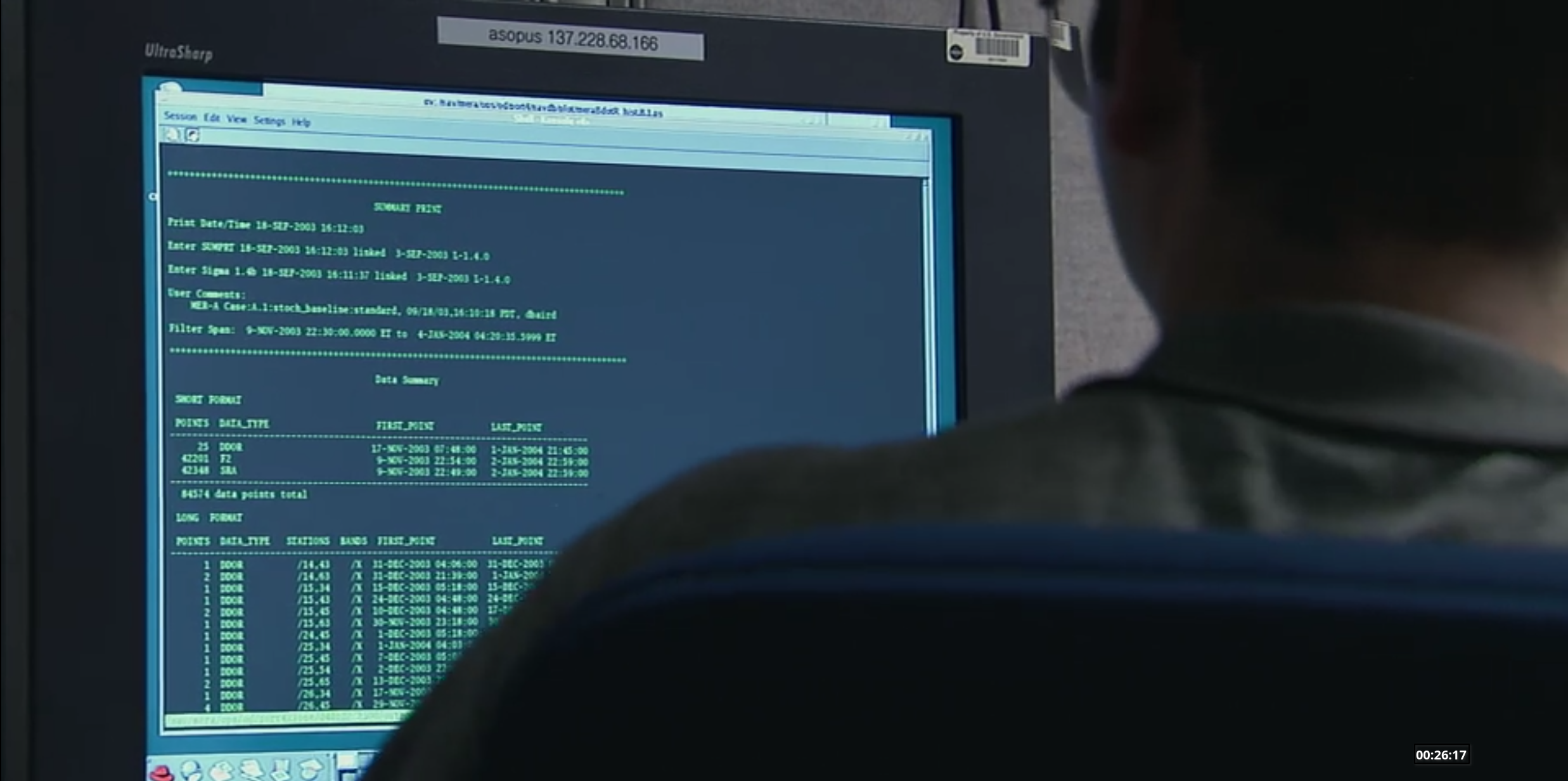
That is from the documentary Good Night Oppy, about the Opportunity Mars rover. In the scene you can see a NASA engineer troubleshooting the rover while in flight towards Mars from a KDE 3 workstation.
You can watch Good Night Oppy on Amazon Prime.
Submitted by Paul Brown
…KDE built the HTML engine that powers most web browsers?
It’s true!
KDE’s web engine was written back in 1998 - 1999 and was subsequently used as the basis for Apple’s Webkit and Google’s Blink engines. This means that most modern browsers, including Safari, Chrome, Chromium, Microsoft Edge, Opera, Vivaldi, and Brave, use KDE software at their core.
Indeed, if you ever check out your web server’s access logs, you will see “KHTML” on nearly every single line.
And, yes, the “K” in “KHTML” stands for “KDE”.
Submitted by Paul Brown
Do you have a KDE Trivia Nugget you would like to share? Tell us about it!
Gallery
1990s

'KDE One', probably the first KDE event. Held in Arnsberg, Germany in 1997. Matthias Ettrich, founder of KDE, is on the left.
2000s
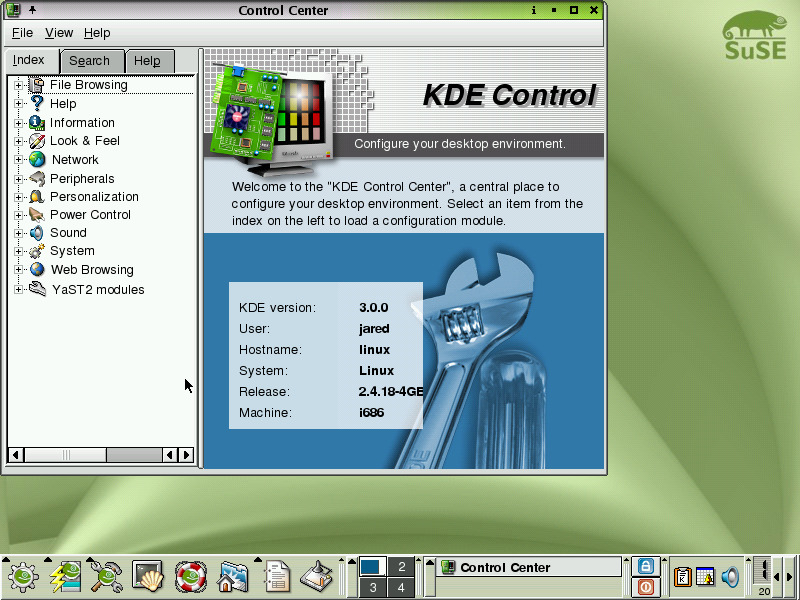
Initial release of KDE 3 on SuSE - 2002. Thanks to Manuel Alberto Ascencio Ramirez.
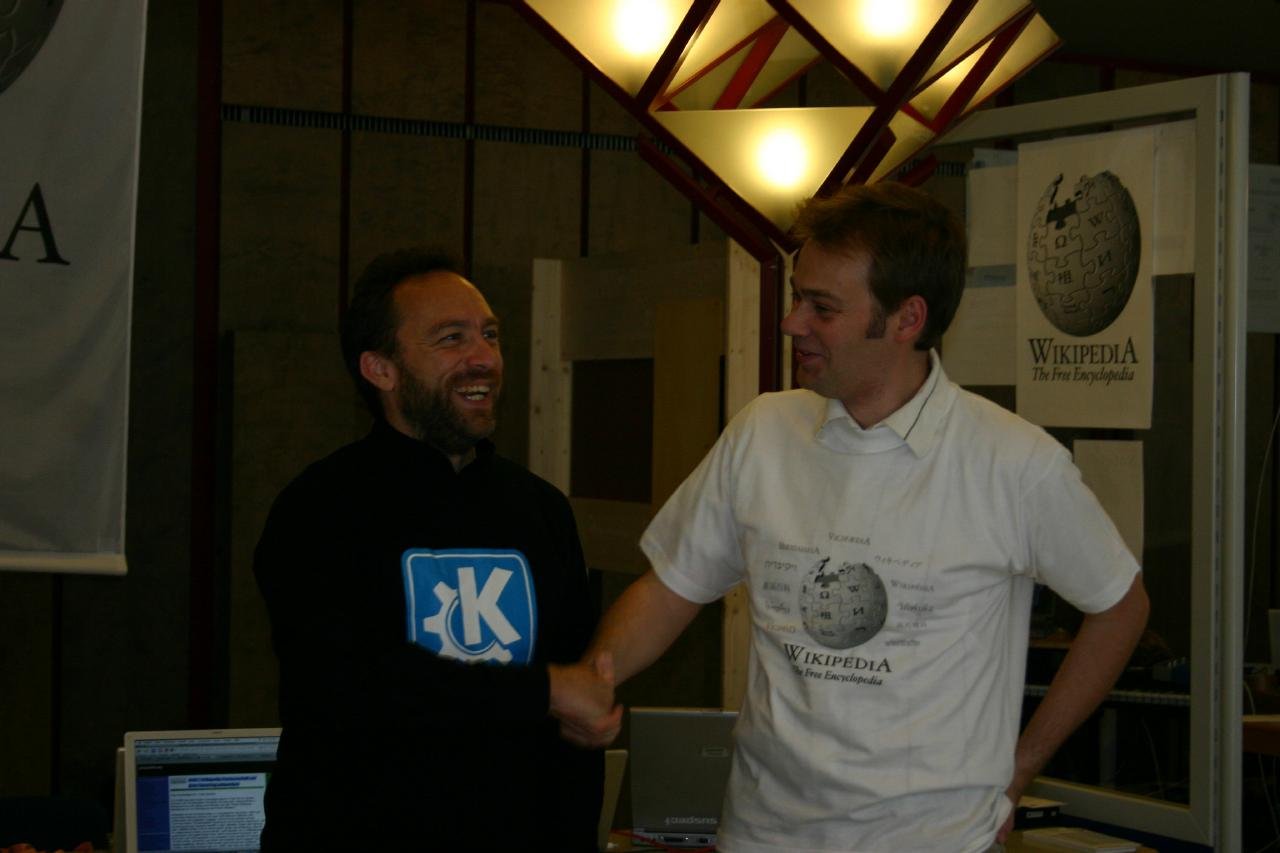
Jimmy Wales, founder of Wikipedia, and Matthias Ettrich, founder of KDE, in 2005
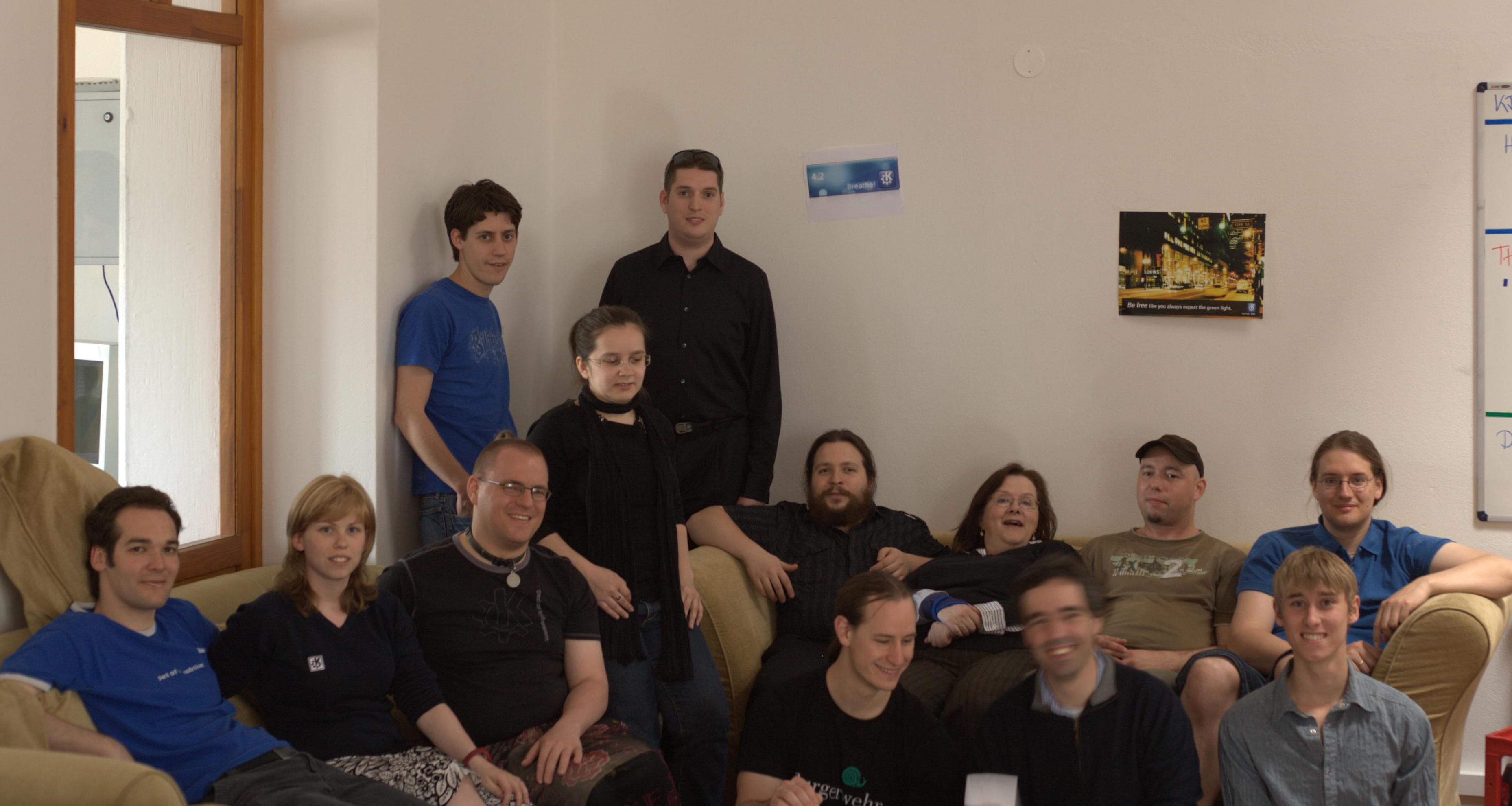
Attendees to an Amarok dev sprint held in 2007.
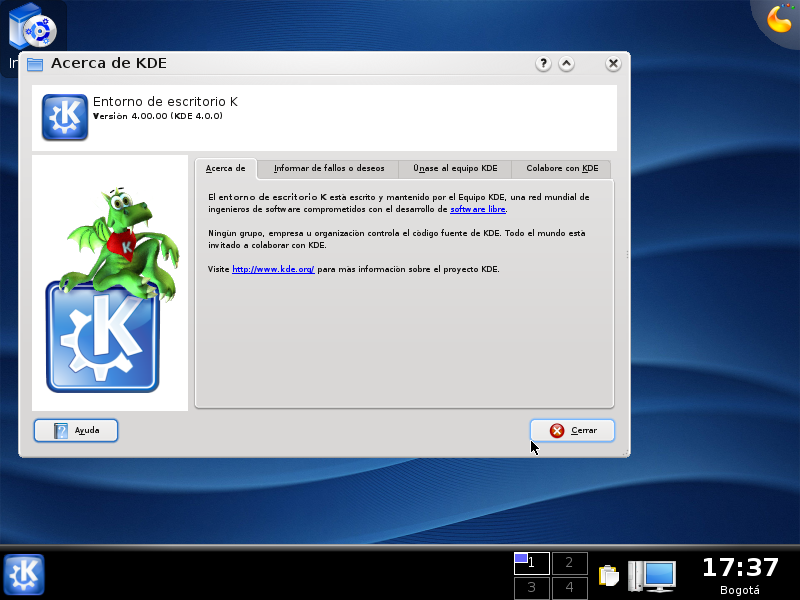
Initial release of KDE 4 on Kubuntu - 2008. Thanks to Manuel Alberto Ascencio Ramirez.

Adriaan de Groot at FOSDEM 2008 (Brussels), posing at a KDE-branded machine at the KDE booth. Picture by Bart Coppens

The group photo of the KDE devroom at FOSDEM 2008 (Brussels).

The group photo of the KDE devroom at FOSDEM 2009 (Brussels).
2010s

Akademy 2013 in Bilbao, Spain. Thanks Gorka Palazio.
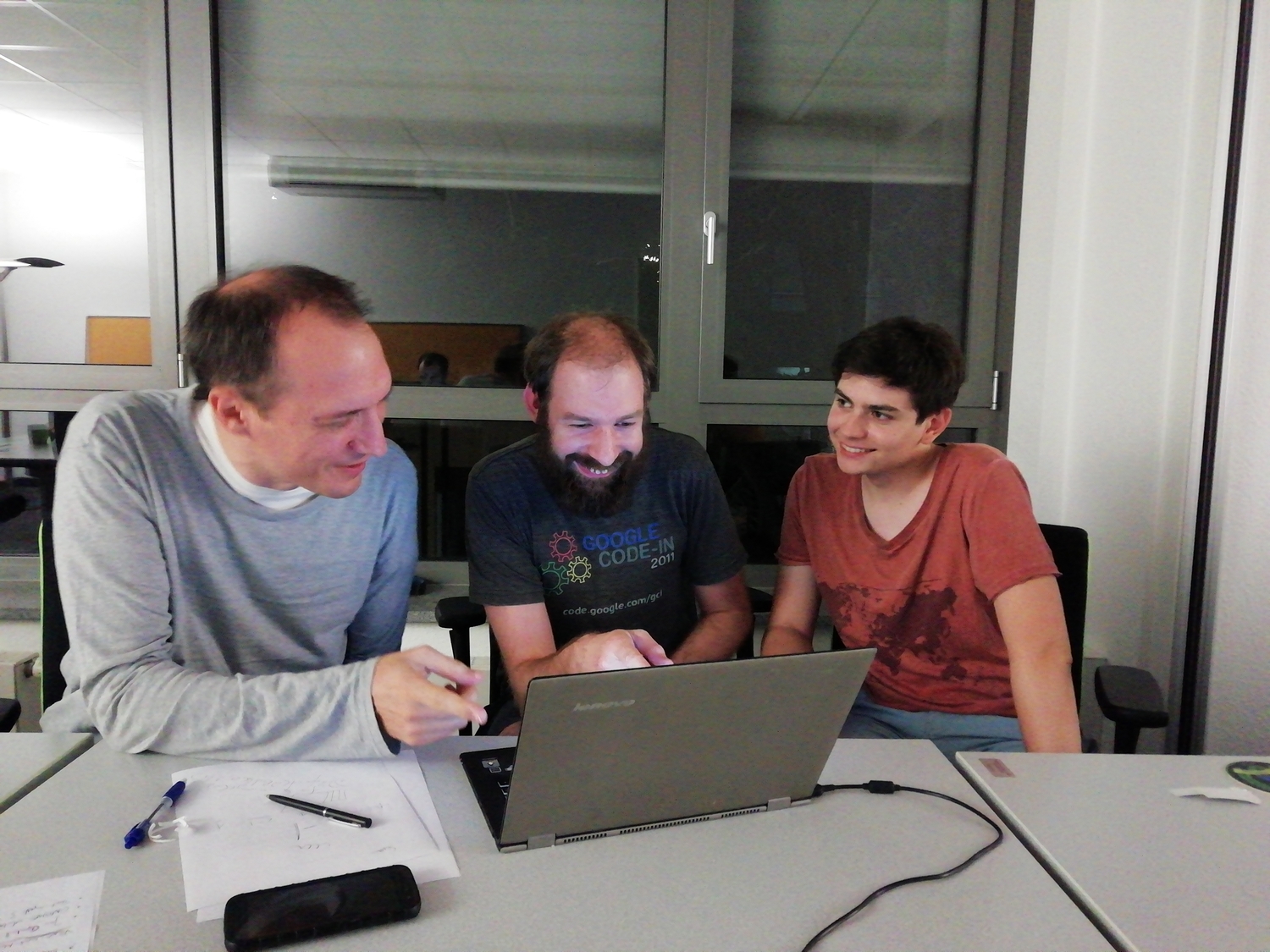
Sometimes fixing a clipboard bug requires the power of three generations of David. From left to right: David Faure, David Edmundson, David Redondo. Picture by Neofytos Kolokotronis during the Onboarding Sprint 2019

The group photo of the KDE devroom at FOSDEM 2010 (Brussels).

The Brazilian team with Konqi at Latinoware 2012.
2020s

2024 Anniversay party held in Berlin.
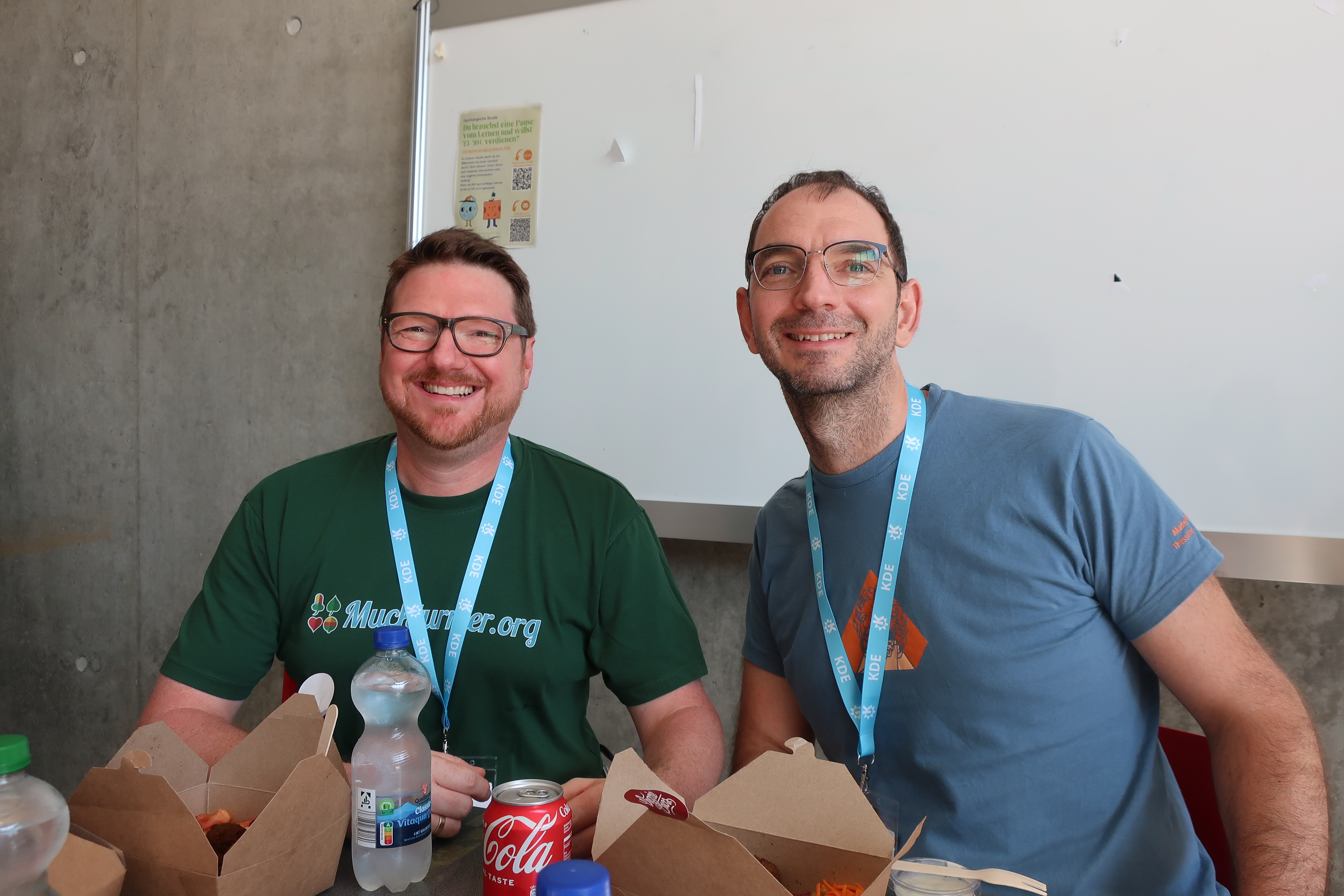
Tobias Leupold (KGeoTag) meets Johannes Zarl-Zierl (KPhotoAlbum) in person for the first time in 2024 after working together for 10 years.